Welcome to our new website!

We welcome your feedback on our blogs!  Drop us a line and let us know what you think.


April 20, 2026

Ramp Season in Western North Carolina | Foraging & Appalachian Traditions

In the hills and hollers of Western North Carolina, spring doesn’t just arrive, it announces itself. And one of its boldest, most beloved messengers is the ramp.

If you know, you know. And if you don’t… well, ramp season is something special.

What Are Ramps?

Ramps (also known as wild leeks) are a native Appalachian plant that emerge in early spring, typically from late March through April. With broad green leaves and a pungent aroma somewhere between garlic and onion, ramps are a true foraged delicacy, deeply rooted in the culture and cuisine of the mountains.

The Tradition of Ramp Harvesting

For generations, families across Appalachian Mountains have ventured into the woods to gather ramps. It’s more than just a foraging trip, it’s a ritual. Passed down through stories, shared meals, and muddy boots, ramp harvesting connects people to the land and to each other.

You’ll often hear about secret spots, tucked away in rich, shaded coves. These patches are treasured and protected, with locals practicing sustainable harvesting; taking only what they need and leaving the roots behind when possible to ensure future growth.

A Flavor Worth the Hype

Let’s be honest... ramps are not subtle. Their bold, garlicky flavor can fill a room (and linger for days), but that’s part of their charm.

In Asheville and surrounding communities, ramps show up everywhere this time of year:

  • Sautéed with potatoes and eggs
  • Folded into biscuits or cornbread
  • Pickled for a tangy bite
  • Blended into pesto or compound butter

And of course, featured at local gatherings and festivals that celebrate all things Appalachian.

Ramp Festivals & Community

Ramp season isn’t complete without a good old-fashioned celebration. Across Western North Carolina, communities host ramp dinners and festivals where neighbors come together over food, music, and storytelling.

These events are a reminder of what makes this region so special: deep roots, strong traditions, and a shared appreciation for the land.

Harvesting Responsibly

As ramps have grown in popularity, so has the need for mindful foraging. Overharvesting can damage delicate ecosystems, so it’s important to:

  • Only harvest from abundant patches
  • Take just a small portion (ideally one leaf per plant)
  • Avoid pulling up the entire bulb unless necessary
  • Respect private land and local regulations

Preserving this tradition means protecting the resource for generations to come.

Bringing It Home

There’s something deeply satisfying about cooking a meal sourced straight from the forest floor. Whether it’s a simple skillet of ramps and eggs or a full spring feast, these fleeting greens remind us to slow down and savor the season.

Because in the mountains of Western North Carolina, ramp season doesn’t last long—but its flavor, and the memories made around it, stick with you all year.


Thinking About Calling These Mountains Home?
At Blue Ridge Properties Group, we don’t just sell homes—we help you find your place in the rhythm of mountain life. From hidden hollers to vibrant small-town communities, we’d love to help you put down roots here in Western North Carolina.

April 15, 2026

Private Mountain Escape in Barnardsville

183 Stoney Fork Rd | Barnardsville, North Carolina

Tucked away in the peaceful mountains just outside of Asheville, North Carolina, 183 Stoney Fork Rd offers something increasingly rare: true privacy, natural beauty, and room to breathe.

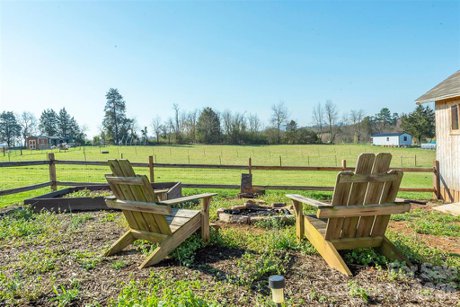
Set on expansive acreage, this property is more than a home; it’s an experience. From the moment you arrive, you’re surrounded by the quiet rhythm of nature with virtually no road noise to interrupt your serenity.

The Home

The 2 bedroom, 2 bathroom cabin offers 768 sq ft of simple, intentional living. The vintage Fisher woodstove creates the ultimate cozy feel. The spacious deck invites you to slow down and take in seasonal views stretching toward the mountains, including glimpses of Craggy Pinnacle.

Whether you’re enjoying a morning coffee wrapped in misty mountain air or hosting a laid-back evening under the stars, this home delivers that quintessential Western North Carolina lifestyle.

The Land

With over 50 acres, the possibilities here are wide open. Multiple build sites offer flexibility for expansion—whether you envision a multi-dwelling compound, additional cabins, or simply preserving the land as your own private retreat.

The natural features are the true highlight:

  • Flowing spring water throughout the property
  • Mature trees and abundant wildlife
  • Rolling terrain with usable space and scenic vantage points

The Opportunity

Properties like this don’t come along often: large acreage, privacy, water features, and proximity to Asheville all in one package. Whether you’re looking for a full-time residence, a mountain getaway, or a long-term investment, 183 Stoney Fork Rd checks all the boxes.

Click HERE for the MLS link. 

Interested in a private showing or more details? Let’s connect. 

Blue Ridge Properties Group
Boutique service. Local expertise. 

April 6, 2026

Why Homes Are Sitting Longer in Western North Carolina


If listings around Asheville and Weaverville feel like they’re taking a little longer to sell lately, you’re not imagining it.

A recent report from Redfin found that more than half of homes nationwide spent 60+ days on the market this February. This is the highest level we’ve seen for this time of year since 2019.

What This Means Locally

Here in Western North Carolina, we’re seeing a similar shift:

  • Buyer demand has cooled slightly compared to the frenzy of past years
  • Home prices are still holding relatively strong
  • And inventory is giving buyers more choices

The result? Homes aren’t flying off the market like they used to.

The Pricing Problem

Many sellers are still aiming high and are pricing their homes above market value with the expectation of negotiating down. But in today’s market, that strategy can lead to longer days on market and eventual price reductions.

According to Realtor.com economists, buyers are paying close attention to how long a home sits. The longer it lingers, the more leverage buyers feel they have.

Opportunity Is Still Out There

For buyers in areas like Buncombe County, this creates real opportunity. More time to consider options, more room to negotiate, and in many cases: better pricing.

For sellers, it simply means strategy matters more than ever.

The Bottom Line

The Western North Carolina market isn’t slowing, it’s normalizing.

Homes that are priced right and marketed well are still selling. But the days of “list it high and hope” are fading fast.

If you’re thinking about buying or selling this year, understanding the current market dynamics could make all the difference.


April 2, 2026

7 Outdoor Updates That Are Worth Investing In


Boost Curb Appeal + Build Value in Western North Carolina

At Blue Ridge Properties Group, we know buyers in WNC aren’t just purchasing a home; they’re investing in a lifestyle. Outdoor living is part of what makes this area so special, and your home’s exterior plays a major role in first impressions.

The good news? You don’t need a full renovation to make a meaningful impact. A few strategic outdoor updates can elevate your home’s appeal, increase functionality, and deliver a strong return when it’s time to sell.


1. Create a More Functional Yard

Today’s buyers are looking for outdoor spaces that feel intentional and usable. Think beyond open lawn and consider how your yard can serve multiple purposes: entertaining, relaxing, gardening, or play.

Simple upgrades like defined seating areas, gravel patios, or raised garden beds can transform your yard into a true extension of your home.


2. Prioritize a Clean, Well-Maintained Exterior

First impressions start before a buyer ever walks through the door.

Start with the basics:

  • Pressure wash driveways and walkways
  • Clean siding and roofing
  • Fresh mow and edge the lawn

A clean exterior signals pride of ownership and instantly boosts perceived value.


3. Add or Enhance Outdoor Living Space

Outdoor living is a major selling point in Western NC.

Covered porches, decks, and pergolas offer year-round usability and create inviting spaces for gathering. Buyers love spaces that provide both shade and shelter.


4. Keep Landscaping Simple and Low-Maintenance

Low-maintenance landscaping continues to be a top priority for buyers.

Consider:

  • Hardy perennials like hostas and daylilies
  • Fresh mulch for a polished look
  • Seasonal potted plants for color

The goal is beauty without the burden of heavy upkeep.


5. Address Any Siding Repairs

Exterior condition matters, and small issues can raise unnecessary concerns.

Take time to:

  • Repair cracks or missing siding
  • Pressure wash for a refreshed look
  • Touch up brick mortar if needed

These simple fixes help position your home as move-in ready.


6. Elevate Your Front Door

Your front door sets the tone for the entire home.

A fresh coat of paint, updated hardware, and small details like house numbers or lighting can create a welcoming and memorable entrance.


7. Repair and Refresh Windows

Even minor window issues can impact buyer perception.

Quick updates include:

  • Re-caulking and sealing
  • Replacing foggy or cracked panes
  • Refreshing window boxes with paint and flowers

Well-maintained windows make your home feel brighter and more cared for.


Final Thoughts from Blue Ridge Properties Group

Outdoor improvements don’t have to be overwhelming to be effective. With a few thoughtful updates, you can enjoy your space now while positioning your home for success in the future.

Whether you're preparing to sell or simply investing in your property, these upgrades offer both immediate enjoyment and long-term value.


March 30, 2026

What VA Loan Changes Could Mean for Western North Carolina Buyers

For many veterans in Western North Carolina, the VA home loan program remains one of the most powerful tools for achieving homeownership. But as our local market continues to stay competitive (especially around Asheville, Weaverville, and surrounding mountain communities) there’s growing conversation about how the program can better serve today’s buyers.

At a recent congressional hearing, REALTOR® and veteran Kurt Thompson highlighted both the strengths of the VA loan program and the challenges veterans are facing in today’s market; many of which are very relevant here in Western NC.

Low Inventory Is Hitting Veterans Hard

Like much of the country, Western North Carolina continues to face limited housing inventory, especially in the $300,000–$500,000 range, where many first-time and VA buyers are searching. With fewer homes available, competition is strong, and buyers using VA financing can sometimes find it harder to win in multiple-offer situations.

Property Standards Can Create Challenges

VA loans require stricter property condition standards, which can lead to repair requests and longer timelines. In fast-moving local markets, sellers may lean toward offers with fewer contingencies; putting veteran buyers at a disadvantage, even when their financing is solid.

Appraisal Delays Matter in a Fast Market

Timing is everything in Western NC real estate. When appraisal timelines stretch out, it can create uncertainty for sellers and risk deals falling apart. Streamlining this process could make a meaningful difference for local VA buyers trying to compete.

Opportunities—If the System Improves

One unique benefit of VA loans is that they’re assumable; meaning a buyer could take over a seller’s lower interest rate. In a market like ours, where rates have fluctuated, this could be a huge advantage. However, current barriers make assumptions difficult to execute, limiting their real-world impact.


What This Means for Local Buyers and Sellers

For veterans in Western North Carolina, the VA loan is still an incredible benefit, but navigating today’s market requires strategy, preparation, and the right guidance.

For sellers, it’s also worth recognizing that VA buyers are strong, qualified purchasers. As conversations continue at the national level about improving the program, we may start to see changes that make these transactions smoother and more competitive locally.


The Bottom Line

Western North Carolina remains a highly desirable place to live, and that demand isn’t slowing down. As efforts continue to improve the VA loan program, the goal is clear: make it easier for veterans to compete, succeed, and put down roots right here in our mountain communities.


March 27, 2026

Are We Entering a Buyer’s Market in 2026? What It Means for Sellers in Western NC


Are We Entering a Buyer’s Market in 2026? What It Means for Sellers in Western NC

You’ve probably heard the buzz: Is the market shifting? The short answer—yes, but not dramatically. In areas like Weaverville and Asheville, we’re moving toward a more balanced market, not a full buyer’s market.


What’s Changing?

  • More inventory is giving buyers more options
  • Homes are taking a bit longer to sell
  • Price reductions are more common when homes start too high

What This Means for Sellers

You can absolutely still have a successful sale—but the approach matters more than it did a year or two ago.

  • Pricing is critical → Homes priced right from the start get the most attention
  • Presentation matters → Clean, staged, and well-photographed homes stand out
  • Negotiation is back → Buyers are asking for concessions again

The Opportunity

Here’s the good news: Western North Carolina still has strong demand thanks to lifestyle, scenery, and continued relocation. That means well-prepared homes are still selling—and often for strong prices.


The Bottom Line

This isn’t a downturn—it’s a return to a healthier, more normal market.

👉 Sellers who price smart, prep well, and market effectively are still winning.

If you’re considering selling in Weaverville or Asheville, having the right strategy can make all the difference.


March 23, 2026

New FinCEN RRE Rule Struck Down By Federal Judge

A major shift just hit the real estate industry, and it directly impacts title and escrow professionals nationwide.

On March 19, 2026, a federal judge struck down the Financial Crimes Enforcement Network’s (FinCEN) new Anti-Money Laundering rule for residential real estate transfers. The regulation, which had just taken effect on March 1, required extensive reporting on many non-financed residential transactions, placing significant compliance burdens on title and escrow companies.

The court ruled that FinCEN overstepped its authority under the Bank Secrecy Act, stating the agency failed to justify why typical real estate transactions should be treated as inherently suspicious. As a result, the rule has been vacated nationwide, and companies are no longer required to file these reports, for now.

However, this may not be the end of the story. FinCEN could appeal the decision or seek a temporary stay, which means the rule could potentially return in some form. For that reason, industry professionals may want to keep their compliance systems in place while the legal process unfolds.

For now, the ruling offers immediate relief, but uncertainty still looms as the situation develops.


March 20, 2026

Why Mid-April Could Be the Sweet Spot for Home Sellers in 2026


If you’re thinking about selling your home this year, timing could make a significant difference in your bottom line. A new report from Realtor.com® suggests that April 12–18, 2026 may be the ideal window for sellers to list their homes.

A “Goldilocks” Moment for Sellers

Researchers analyzed housing trends from recent years and identified mid-April as a unique sweet spot—where buyer demand, home prices, and competition align in sellers’ favor. This timing could help sellers maximize both price and efficiency.

In fact, sellers who list during this week could potentially earn up to $26,000 more compared to listing at the beginning of the year.

What Makes This Week Stand Out?

Several key advantages make mid-April especially attractive:

  • Higher Sale Prices: Homes listed during this period tend to be priced about 1.3% higher than average, giving sellers a noticeable financial edge.

  • Faster Sales: Properties move more quickly, selling about 10 days faster than the yearly average.

  • Less Competition: Inventory is still lower than pre-pandemic levels, allowing sellers to stand out before the late-spring surge of listings.

  • Fewer Price Reductions: Strong early spring demand means sellers are less likely to need price cuts.

Market Conditions Are Improving—But Not Without Risk

There are encouraging signs for both buyers and sellers. Mortgage rates have stabilized, and affordability is gradually improving, bringing more buyers back into the market.

However, some uncertainty remains. Factors like rising oil prices and global tensions could impact inflation and mortgage rates, potentially shifting market conditions.

What This Means for Sellers

While national trends point to mid-April as an ideal listing window, local market conditions still matter. Areas with tighter inventory may favor sellers regardless of timing, while markets with more listings—particularly in the South and West—may require more strategic timing to stand out.

The Bottom Line

The 2026 spring market is shaping up to be more balanced, offering opportunities for both buyers and sellers. For homeowners looking to maximize their sale price and minimize time on the market, mid-April could be the perfect moment to make a move.


March 18, 2026

Pending Home Sales See Slight Uptick as Affordability Improves, but Challenges Linger


Single Family Houses with Light Snow


February brought a small boost in pending home sales, signaling that buyers are cautiously returning to the market. According to the latest report from the National Association of REALTORS® (NAR), contract signings for home sales edged up as mortgage rates dipped and home prices moderated—but hurdles remain as spring approaches.

A Modest Monthly Gain

NAR’s Pending Home Sales Index, which tracks future closings based on signed contracts, rose 1.8% from January. Compared to last year, sales are slightly down 0.8%, showing that while the market is improving, it hasn’t fully rebounded.

Lawrence Yun, NAR’s chief economist, notes, “The slight monthly gain in pending contracts appears to be driven by improved affordability conditions. However, those conditions could reverse if higher oil prices lead to an uptick in mortgage rates.”

Mortgage rate volatility is indeed on the rise. Rates briefly dipped below 6%—the lowest in over three years—before bouncing back to an average of 6.11% last week, according to Freddie Mac. Global tensions, including conflict in the Middle East, have also pushed gas prices higher and renewed inflation concerns, keeping buyers cautious.

Affordability Is Improving

Even with rates creeping upward, affordability has improved compared to a year ago. Today’s mortgage rates translate to roughly $113 less per month for the average mortgage payment. NAR’s Housing Affordability Index shows wages outpacing home price growth by nearly 4 percentage points, helping buyers stretch their dollars further.

Inventory gains and moderate price increases have also eased pressure. The median existing-home price in February was $398,000, up just 0.3% from last year. Fewer homes sold above asking price—14% in February versus 21% a year ago—suggests sellers are adjusting prices to attract buyers.

First-time buyers are gradually returning, representing 34% of existing-home sales in February. Yun adds, “Purchasing a home is not a snap decision for first-time buyers. It takes time to build credit, save for a down payment, and fulfill rental leases. Still, pent-up demand is waiting to enter the market, supported by 6 million more jobs than pre-COVID levels.”

Regional Trends Vary

The strength of pending sales varied by region:

  • Midwest: Up nearly 5% month-over-month, leading all regions.

  • South: Increased 2.7% from January.

  • West: Slight 0.9% rise.

  • Northeast: The only region to decline, with a 3.6% monthly drop and 12% year-over-year decline, hindered by higher prices and limited inventory. Median existing-home prices in the Northeast hit $479,800, up 3.3% annually.

What This Means for Buyers

While affordability improvements are encouraging, buyers should remain mindful of rate fluctuations and regional differences. The market is showing signs of life, but conditions could shift quickly depending on global events and economic trends. For those ready to buy, the current window may offer more manageable prices and mortgage payments—but timing and preparation remain key.

March 13, 2026

The Growing Role of Family Support in Today’s Homeownership Journey


For many younger buyers, homeownership is starting to feel more attainable—but increasingly, it’s becoming a family effort.

A recent 2026 Planning & Progress Study by Northwestern Mutual, which surveyed more than 4,000 adults, found that 74% of parents with children at home are considering or actively planning to help their kids buy a home someday. In fact, many families now view helping with a home purchase as just as important as helping pay for college.

  • 29% of parents say helping their children buy a home is more important than paying for college.

  • 55% say the two goals are equally important.

This growing trend reflects the reality of today’s housing market, where saving for a down payment can be one of the biggest hurdles for first-time buyers. Financial assistance from family—whether a gift, loan, or help with upfront costs—can make a meaningful difference. According to the National Association of REALTORS®, 22% of first-time home buyers used a gift or loan from a friend or relative toward their down payment.

Why Buying Earlier Matters

Even with affordability challenges, younger generations are becoming more optimistic about their chances of owning a home. That optimism may stem from growing awareness of the long-term financial benefits of buying sooner rather than later.

Data from Realtor.com’s Generational Wealth Report shows that households who purchase their first home by age 30 have about 22.5% higher net worth by age 50 compared to those who wait until their 40s. That difference averages about $119,000 in additional wealth.

Homeownership has long been a cornerstone of financial stability in the United States. Buying earlier allows homeowners more time to benefit from property appreciation and mortgage paydown—two key factors that help build long-term wealth.

Growing Confidence Among Younger Buyers

Encouragingly, younger generations are feeling more hopeful about their ability to buy a home.

Among non-homeowners:

  • The share who believe homeownership is financially achievable rose from 33% in 2025 to 42% in 2026.

  • Confidence increased most among Gen Z (42% to 54%) and Millennials (34% to 47%).

Some common barriers may also be easing. Compared to a year ago, fewer young buyers say saving for a down payment, high mortgage rates, or intense competition are the biggest obstacles. For example, the percentage of Americans who say they don’t have enough saved for a down payment dropped from 64% in 2025 to 53% in 2026, with the biggest improvement among Gen Z.

A New Path to the American Dream

While the path to homeownership may look different today than it did for previous generations, the goal remains the same. Many families are recognizing that helping the next generation buy a home can be a powerful way to support long-term financial security.

As younger buyers gain confidence and more families step in to help, homeownership continues to represent what it has for generations: a foundation for stability, opportunity, and generational wealth.