


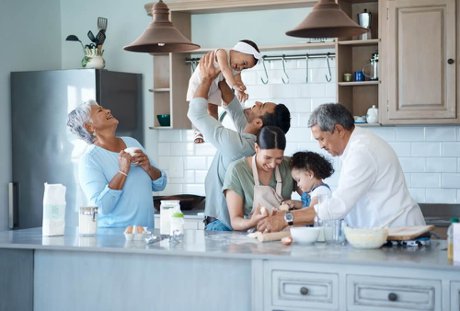
For many families, the idea of multiple generations living under one roof used to feel like something from the past. Today, it’s becoming one of the fastest-growing housing trends across the country.
According to recent research from the National Association of Realtors, about 3.8% of households nationwide are considered multigenerational; meaning grandparents, parents, adult children, or extended family members are sharing a home. In some areas, those numbers are even higher.
So what’s driving the shift?
For many families, affordability is a major factor. With home prices and living expenses continuing to rise, combining households can help reduce financial pressure. Sharing mortgage payments, utilities, childcare, and caregiving responsibilities can make homeownership more manageable for everyone involved.
But economics aren’t the only reason families are choosing this lifestyle.
In many communities, multigenerational living is deeply rooted in culture and family values. More families are prioritizing connection, support, and being physically close to loved ones. Grandparents helping raise grandchildren, adult children caring for aging parents, and families simply wanting to spend more time together are all contributing to this growing trend.
The housing market is beginning to respond as well. Buyers are increasingly searching for homes with flexible floor plans, separate living areas, finished basements, guest suites, or space for future additions like ADUs (Accessory Dwelling Units). Privacy and functionality have become just as important as square footage.
Here in Western North Carolina, we’re seeing more conversations around homes that can accommodate extended family, aging in place, or future flexibility. Whether it’s a basement apartment, a backyard cottage, or simply a layout that gives everyone room to breathe, buyers are thinking beyond the traditional single-family setup.
At the end of the day, multigenerational housing isn’t just about saving money; it’s about creating homes that support the way families actually live today.