Welcome to our new website!

We welcome your feedback on our blogs!  Drop us a line and let us know what you think.


June 23, 2026

North Carolina Pauses Property Tax Reappraisals in Buncombe County and Eight Other Counties

What Homeowners Need to Know About Senate Bill 889

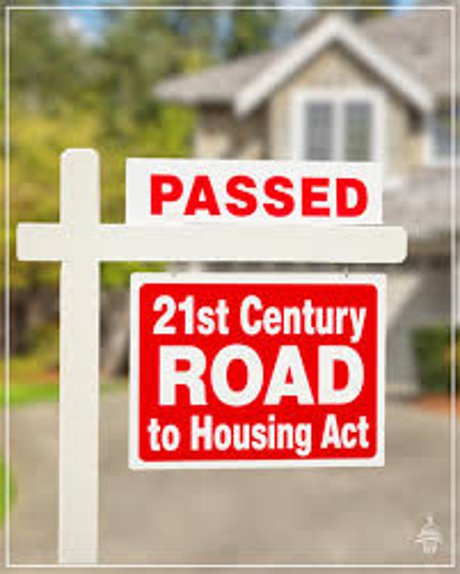
North Carolina homeowners in several counties, including Buncombe County, recently received significant news regarding their property taxes. Governor Josh Stein has signed Senate Bill 889 into law, temporarily delaying the implementation of new property tax reappraisal values for the 2026-27 fiscal year.

For many homeowners, especially those concerned about rising property values and potential tax increases, this legislation could provide short-term relief. However, the decision also raises questions about future tax bills and local government budgets.

What Does Senate Bill 889 Do?

The new law applies to North Carolina counties with populations of 15,000 or more that completed a countywide property reappraisal effective January 1, 2026.

Instead of using the newly established 2026 property values for tax calculations during the 2026-27 fiscal year, affected counties must continue using their previous property values. The new assessments won't take effect until January 1, 2027.

Once implemented, the 2026 reappraisal values will remain in effect until each county conducts its next scheduled reappraisal.

Which Counties Are Affected?

Nine North Carolina counties are impacted by the moratorium:

  • Anson County
  • Bladen County
  • Buncombe County
  • Davidson County
  • Guilford County
  • Harnett County
  • Onslow County
  • Pender County
  • Scotland County

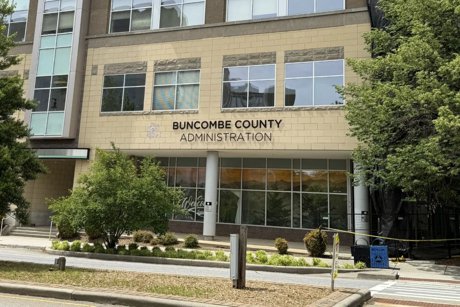
For Buncombe County homeowners, this means any value changes resulting from the 2026 reappraisal will be delayed by one year.

Why Was the Moratorium Passed?

Supporters of SB 889 argued that rapidly increasing property values have placed additional financial pressure on homeowners, particularly those on fixed incomes and middle-income families.

Lawmakers stated the goal is to prevent residents from being "taxed out" of their homes due to significant increases in assessed property values. In some counties, homeowners saw average assessed values rise dramatically during the latest reappraisal cycle.

The legislation is intended to provide additional time for homeowners and local governments to prepare for the impact of higher assessments.

Potential Impact on Local Governments

While the law may provide temporary tax relief for property owners, local governments have expressed concerns about its financial impact.

In Buncombe County, officials estimate the delay could result in approximately $2.1 million in lost utility tax revenue. Across the state, fiscal analysts estimate roughly $10 million in revenue impacts related to the reappraisal delay.

These revenue reductions could potentially affect:

  • School funding
  • County services
  • Employee compensation adjustments
  • Infrastructure projects
  • Public safety budgets

Some local governments may need to evaluate future tax rate adjustments or budget modifications to address these shortfalls.

What Does This Mean for Homeowners?

If you own property in Buncombe County, your tax bill for the 2026-27 fiscal year will continue to be based on the county's previous assessed values rather than the new 2026 reappraisal values.

However, homeowners should understand that the updated values have not been eliminated; they've simply been postponed until January 1, 2027.

Property owners should use this additional time to:

  • Review their property's assessed value
  • Understand how future tax bills may be affected
  • Budget for potential increases when the new values take effect
  • Consult local tax professionals with questions about their specific situation

What Comes Next?

The property tax discussion in Raleigh isn't over. Lawmakers are also considering additional legislation, including Senate Bill 474, which would create exemptions for certain smaller counties and counties with lower property tax rates.

As implementation details emerge, homeowners should stay informed about how these changes may affect their property taxes and local government services.

Final Thoughts

For Buncombe County residents and homeowners across the affected counties, Senate Bill 889 offers a temporary pause on the financial impact of rising property assessments. While many homeowners may welcome the additional time, local governments will be navigating the challenges that come with delayed revenue increases.

If you're considering buying, selling, or investing in real estate in Western North Carolina, understanding local tax policies is an important part of making informed decisions. As always, working with a knowledgeable local real estate professional can help you navigate these changes and understand how they may affect your property goals.

Posted in Good to know info
June 11, 2026

Discover Peaceful Mountain Living at 555 Logans Ridge Drive in Marshall, NC

If you've been dreaming of a private mountain retreat where you can build your dream home, embrace sustainable living, and enjoy the beauty of Western North Carolina, you'll want to take a closer look at our newest listing at 555 Logans Ridge Drive in Marshall, NC.

Situated on 13.33 acres of mostly wooded land, this unique property offers the perfect blend of privacy, natural beauty, and practicality. Tucked away in the peaceful countryside of Madison County, the property provides a serene setting while still being within a reasonable drive of downtown Marshall, Weaverville, and Asheville.

A Ready-Made Foundation for Sustainable Living

One of the standout features of this property is its off-grid shed, thoughtfully designed to support a more self-sufficient lifestyle. The shed utilizes solar power and a rainwater catchment system, offering a glimpse into the possibilities of sustainable living in the mountains.

Whether you're looking for a weekend getaway, a future homestead, or a place to unplug and reconnect with nature, this setup provides an excellent starting point.

Beautiful Build Site Surrounded by Nature

The property features a mostly-level homesite, making it easier to envision and create your dream mountain home. Mature trees provide privacy and shade while creating a peaceful atmosphere that's hard to find in today's busy world.

Imagine waking up to birdsong, enjoying your morning coffee surrounded by nature, and spending evenings under the stars with no city lights to distract from the breathtaking mountain sky.

Privacy Without Isolation

While the property feels secluded and private, it still offers convenient access to nearby communities and amenities. You'll enjoy the best of both worlds; a tranquil mountain setting without sacrificing accessibility.

Whether you're seeking a full-time residence, a vacation retreat, or an investment in Western North Carolina land, 555 Logans Ridge Drive offers endless possibilities.

Explore the Potential

Properties that combine acreage, privacy, sustainable features, and a build-ready site are becoming increasingly difficult to find. This 13.33-acre tract is a rare opportunity to create the lifestyle you've always imagined.

If you're interested in learning more about 555 Logans Ridge Drive or would like to schedule a private tour, contact Blue Ridge Properties Group today. We'd love to help you explore everything this beautiful Marshall property has to offer.

Property Highlights:

  • 13.33 acres in Marshall, NC
  • Mostly wooded for privacy and natural beauty
  • Level build site
  • Off-grid shed included
  • Solar-powered setup
  • Rainwater catchment system
  • Peaceful mountain setting
  • Convenient access to Marshall, Weaverville, and Asheville

Ready to experience mountain living at its finest? Contact us today for more information about 555 Logans Ridge Drive.

June 2, 2026

Wells Fargo's 3D-Printed Home Mortgage Program Signals a New Era in Housing

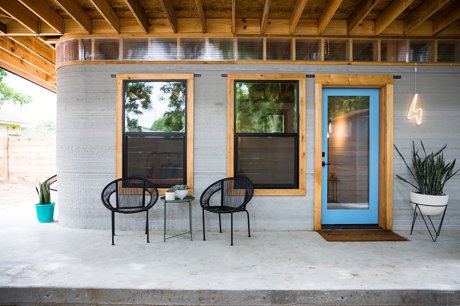
The housing industry continues to evolve, and one of the most exciting developments is the growing acceptance of 3D-printed homes. Recently, Wells Fargo announced a landmark partnership with construction technology company ICON, making it easier for buyers to obtain traditional mortgage financing for 3D-printed homes.

For years, one of the biggest hurdles facing alternative construction methods was financing. Many lenders were hesitant to offer mortgages on 3D-printed homes due to concerns about long-term durability, resale value, and appraisal challenges. As a result, buyers often had limited financing options and were forced to work through builder-affiliated lenders.

That is beginning to change.

Under the new partnership, Wells Fargo will offer standard mortgage products for eligible ICON-built homes and provide a 0.5% lender credit at closing for qualified buyers. The bank has stated that it expects the long-term performance and appreciation of these homes to be comparable to traditionally built properties.

The partnership extends beyond homebuyers. Wells Fargo will also provide financing to builders and developers purchasing ICON's advanced "Titan" 3D-printing systems, helping expand the availability of this innovative construction method.

Why does this matter?

As housing affordability remains a challenge across many markets, including Western North Carolina, alternative construction methods could play an important role in increasing housing supply and reducing building costs. The willingness of a major financial institution like Wells Fargo to support 3D-printed homes sends a strong signal that the technology is becoming a recognized and scalable housing solution.

While 3D-printed homes are still relatively new, this announcement represents another step toward broader acceptance in the housing market. As technology continues to reshape the way homes are built, buyers and investors alike should keep an eye on emerging trends that may influence the future of real estate.

Whether you're interested in traditional construction, new home technologies, or exploring your housing options, working with a knowledgeable real estate professional can help you stay informed about changes that may impact your buying or selling decisions.

May 27, 2026

How Hurricane Helene Changed the Housing Market in Western North Carolina

When Hurricane Helene swept through WNC, it left more than storm damage behind. Across the mountains, the storm shifted how buyers think about real estate, how sellers prepare homes for the market, and how agents help clients navigate one of the biggest purchases of their lives.

Buyer Concerns Have Changed

Before Helene, many buyers moving to WNC focused on views, acreage, walkability, or proximity to downtown areas. While those things still matter, buyers are now paying much closer attention to:

  • Flood risk
  • Creek and river proximity
  • Drainage issues
  • Road access during severe weather
  • Insurance costs and availability
  • Septic and well vulnerability
  • Retaining walls and slope stability
  • Prior water intrusion or storm damage

Even homes that were never directly impacted by flooding are being scrutinized more carefully. Buyers want reassurance that they are making a safe and informed investment.

For many out-of-state buyers especially, mountain weather and terrain can be unfamiliar. A property that looks perfect during a sunny showing may raise concerns once buyers start researching flood maps or hearing stories from locals about storm impacts.

The Market Has Become More Information-Driven

One major shift since Helene is that buyers are no longer relying on appearances alone. They want data.

That means sellers and agents who can provide detailed property information upfront are often in a stronger position than those who cannot. Transparency builds trust, and trust matters more than ever in today’s market.

This is where working with an experienced local real estate professional becomes critical.

A knowledgeable agent understands not only the home itself, but also the nuances of Western North Carolina’s terrain, waterways, infrastructure, and zoning considerations. Local expertise can help buyers avoid surprises and make informed decisions with confidence.

Why Flood Zone Determination Reports Matter

One of the most valuable tools we can provide our clients is a flood zone determination report.

These reports help buyers better understand:

  • Whether a property is located in a FEMA-designated flood zone
  • The likelihood of flood insurance requirements
  • Potential flood risks based on mapping data
  • Elevation and floodplain considerations
  • How a property compares to surrounding areas

Many buyers assume flood risk only applies to homes directly on rivers or creeks, but that is not always the case in the mountains. Topography, runoff patterns, nearby tributaries, and changing weather events can all influence flood concerns.

Having access to professional flood data allows buyers to move forward with more clarity and fewer unknowns.

Local Knowledge Matters More Than Ever

Western North Carolina is unique. Two homes on the same road can have completely different drainage patterns, soil conditions, and storm impacts.

That’s why working with an experienced local real estate professional is more important than ever. A knowledgeable agent can help buyers understand the unique challenges of mountain properties and identify potential concerns before closing. An experienced real estate professional can help you:

  • Interpret flood reports and disclosures
  • Understand insurance implications
  • Identify red flags during showings
  • Connect with inspectors and specialists
  • Evaluate long-term resale considerations
  • Navigate changing buyer expectations in the market

In today’s environment, real estate is not just about finding a beautiful home. It is about helping buyers understand the full picture behind the property.

For anyone considering buying property in WNC, having the right guidance and the right data can make all the difference.

May 20, 2026

Music on Main Returns to Downtown Weaverville on June 13

There’s just something special about summertime in Weaverville; lawn chairs lining Main Street, live music echoing through downtown, kids dancing in the street, and neighbors catching up over local food and cold drinks. That’s exactly the vibe you can expect at Music on Main on Saturday, June 13, from 4–9 PM in downtown Weaverville.

Hosted by the Weaverville Business Association, this free community event has quickly become one of the town’s favorite summer traditions. This year’s lineup features Jackomo Cajun Country Band, Mama, and Holy Roller, bringing a mix of sounds that should keep the crowd dancing all evening long.

Main Street will come alive with food vendors, local businesses, craft beer, family-friendly activities, and plenty of spots to relax and soak up the atmosphere. Whether you’re a longtime local or just looking for an excuse to spend an evening in one of Western North Carolina’s favorite small towns, Music on Main is worth adding to your calendar.

One of the best parts about the event is how walkable everything is. You can grab dinner or drinks before the music starts, browse local shops, or make a full evening out of it downtown. Popular stops nearby include Blue Mountain Pizza, Twisted Laurel Weaverville, and The Well-Bred Bakery & Cafe. If you need a caffeine boost before the bands kick off, Yellow Mug Coffee Lounge is always a great choice.

Events like this are a big part of what makes Weaverville feel like home. It’s the kind of place where the whole community shows up, visitors instantly feel welcome, and downtown truly feels alive.

Be sure to stop by and say hello to our team from Blue Ridge Properties Group during the event! We’re proud to be a sponsor of this year’s Music on Main and will have a booth set up downtown throughout the evening. Whether you’re curious about the local real estate market, thinking about buying or selling, or just want to chat about all things Weaverville, we’d love to see you there.

Supporting community events like Music on Main is one of our favorite parts of living and working in Weaverville, and we’re excited to be part of another great summer evening on Main Street.

May 18, 2026

Why Multigenerational Living Is Growing in Today’s Housing Market

For many families, the idea of multiple generations living under one roof used to feel like something from the past. Today, it’s becoming one of the fastest-growing housing trends across the country.

According to recent research from the National Association of Realtors, about 3.8% of households nationwide are considered multigenerational; meaning grandparents, parents, adult children, or extended family members are sharing a home. In some areas, those numbers are even higher. 

So what’s driving the shift?

For many families, affordability is a major factor. With home prices and living expenses continuing to rise, combining households can help reduce financial pressure. Sharing mortgage payments, utilities, childcare, and caregiving responsibilities can make homeownership more manageable for everyone involved.

But economics aren’t the only reason families are choosing this lifestyle.

In many communities, multigenerational living is deeply rooted in culture and family values. More families are prioritizing connection, support, and being physically close to loved ones. Grandparents helping raise grandchildren, adult children caring for aging parents, and families simply wanting to spend more time together are all contributing to this growing trend.

The housing market is beginning to respond as well. Buyers are increasingly searching for homes with flexible floor plans, separate living areas, finished basements, guest suites, or space for future additions like ADUs (Accessory Dwelling Units). Privacy and functionality have become just as important as square footage.

Here in Western North Carolina, we’re seeing more conversations around homes that can accommodate extended family, aging in place, or future flexibility. Whether it’s a basement apartment, a backyard cottage, or simply a layout that gives everyone room to breathe, buyers are thinking beyond the traditional single-family setup.


At the end of the day, multigenerational housing isn’t just about saving money; it’s about creating homes that support the way families actually live today.

May 13, 2026

Open House Red Flags: What Smart Buyers Should Watch For

Open houses are exciting. It’s easy to imagine your furniture in the living room, hosting cookouts on the patio, or finally finding “the one.” But beyond the pretty staging and fresh flowers, open houses are also your chance to spot potential problems before getting emotionally attached.

The good news? You don’t need to be a contractor to notice when something feels off. A few careful observations can save buyers from expensive surprises later.

One of the biggest things to watch for is strong scents or excessive air fresheners. While a clean-smelling home is normal, overpowering candles, plug-ins, or sprays can sometimes be masking odors from pets, smoke, mold, or moisture issues. Pay extra attention to basements, bathrooms, under sinks, and around windows.

Fresh paint can also tell a story. A freshly painted room is usually harmless, but a single patch on a ceiling or wall may be hiding an old water stain or repair. Keep an eye out for bubbling paint, discoloration, or uneven textures nearby.

Cracks are another detail buyers should notice. Small hairline cracks are common in many homes, especially older ones. Larger cracks around windows, doors, ceilings, or foundations may point to settling or structural concerns. Doors that stick, sloping floors, or gaps around trim can also be clues worth investigating further.

Water issues are especially important because they can become costly quickly. Ceiling stains, warped floors, peeling paint, mildew, or damp smells may all signal past or ongoing moisture problems. Outside, look to see whether water drains away from the house properly instead of pooling near the foundation.

Buyers should also test windows and doors while touring a home. Drafty windows, foggy panes, swollen frames, or doors that don’t close correctly can suggest age, deferred maintenance, or larger underlying issues.

It’s also important not to get distracted by cosmetic updates alone. Beautiful staging, trendy fixtures, and fresh paint may look great, but they don’t tell you much about the roof, plumbing, HVAC system, electrical work, or water heater. A home with older major systems may still be a great purchase as long as buyers understand what future maintenance costs may look like.

Kitchens and bathrooms often reveal how well a home has been maintained overall. Loose caulking, moldy grout, swollen cabinets, poor ventilation, or signs of leaks under sinks can all indicate deferred upkeep.

And finally, don’t forget the exterior. Damaged gutters, peeling paint, cracked walkways, overgrown landscaping, or standing water can provide valuable clues about how the property has been cared for over time.

At the end of the day, an open house is about more than deciding whether a home “feels right.” It’s also about slowing down, looking past the staging, and paying attention to the details. No home is perfect, but understanding which issues are manageable, and which are major, can help buyers make more confident decisions.

May 1, 2026

Weaverville Takes a Stand: Town Council Moves to Block Data Centers and Crypto Mining

In a decisive move to protect local resources and preserve the character of the community, the Weaverville Town Council has unanimously approved a code change to block cryptocurrency mining operations and large-scale data centers from operating within town limits.

During its late April meeting, town leaders voted to classify these types of operations as “noxious uses”. This designation is reserved for activities that may pose risks to public health, the environment, or the overall well-being of the community if not carefully regulated.

Why the Concern?

At the heart of the decision is a growing concern over resource consumption. Cryptocurrency mining and data centers are known for their intense demand on both electricity and water; two resources that are not unlimited in a small mountain town like Weaverville.

Mayor Dee Lawrence emphasized that the move is proactive rather than reactive.

“Crypto mining is a very high user of energy, as well as water for cooling. And those are resources that are in short supply a lot,” Lawrence explained. “What we're trying to do is discourage any crypto mining designs that might be brought forward from coming here.”

A Growing Trend Across North Carolina

This decision comes as North Carolina sees a rise in large-scale data infrastructure. Across the state, multiple data centers (and crypto mining facilities in particular) have been proposed or developed, drawn by relatively affordable energy costs and available land.

Nearby counties like Cherokee and Rutherford have already seen crypto mining operations begin to take shape, raising questions about long-term environmental impacts, infrastructure strain, and noise concerns often associated with these facilities.

Town leaders in Weaverville acted early, aiming to avoid being caught off guard by proposals that could significantly alter the town’s landscape and resource availability.

Protecting Small-Town Character

Beyond infrastructure concerns, the decision reflects a broader commitment to maintaining the quality of life that draws residents and visitors to Weaverville in the first place. Known for its charm, natural beauty, and close-knit community feel, the town has long prioritized thoughtful, sustainable growth.

By putting this ordinance in place now, the council is sending a clear message: growth is welcome, but not at the expense of the town’s resources or identity.

What This Means Moving Forward

While this code change doesn’t impact existing businesses or typical residential and commercial development, it does set firm boundaries on high-consumption industrial uses moving forward.

For residents, property owners, and those considering a move to the area, it reinforces Weaverville’s commitment to intentional planning and long-term sustainability.

As conversations around energy use, technology, and growth continue to evolve, Weaverville is choosing a path that prioritizes balance; protecting what makes the community special while thoughtfully navigating the future.

For buyers and sellers, decisions like this highlight something important: Weaverville isn’t just growing, it’s growing with intention. Protecting infrastructure and natural resources helps maintain property values and preserves the lifestyle that makes this area so desirable in the first place.

April 27, 2026

Welcome to Mountain Living at 181 High Valley Estates Drive

Welcome to Mountain Living at 181 High Valley Estates Drive

Tucked away in the peaceful countryside of Alexander, 181 High Valley Estates Drive offers a rare opportunity to enjoy the quiet beauty of Western North Carolina while staying just a short drive from the vibrant energy of Asheville. If you’ve been searching for a home that blends comfort, scenery, and convenience, this property deserves your attention.


A Setting That Feels Like a Retreat

Surrounded by rolling hills and gorgeous views, this home captures the essence of Appalachian living. Whether it’s sipping coffee on the porch in the morning or unwinding as the sun sets behind the ridgelines, the natural backdrop creates a sense of calm that’s hard to find.

High Valley Estates is known for its peaceful atmosphere, making it ideal for buyers who want space to breathe without feeling too far removed from everyday necessities.


Comfortable Living with Room to Grow

Inside, the home offers a layout designed for both relaxation and functionality. Thoughtful living spaces provide room for gathering, while private areas give everyone their own retreat at the end of the day.

Whether you’re hosting friends, working from home, or simply enjoying a quiet evening, this home adapts to your lifestyle with ease. The enclosed 3-season back porch is one of the many highlights of the home.


The Best of Both Worlds

One of the standout features of this property is its location. You’ll enjoy:

  • Easy access to dining, shopping, and entertainment in Asheville
  • A new fence and raised garden beds ready to go
  • A quiet neighborhood setting that feels miles away from the hustle

It’s a balance that many buyers are looking for, but few properties truly deliver.


A New Price, A Fresh Opportunity

With a recent price improvement, 181 High Valley Estates Drive is now an even more compelling option for buyers ready to make their move. Whether you’re a first-time buyer, relocating, or searching for a mountain getaway, this home offers value, lifestyle, and location all in one.

The property is now listed at $390,000.


Your Next Chapter Starts Here

Homes in this area don’t stay under the radar for long, especially when they offer this combination of setting and value. If you’ve been waiting for the right opportunity in Alexander, this could be it.


📲 Reach out today to schedule a private showing and experience everything this property has to offer.

Listed by Kayla Luce, Broker / Realtor® with Blue Ridge Properties Group

207-766-1100

kayla.brpavl@gmail.com

MLS# 4360739. Click HERE to view the complete listing.

April 24, 2026

Your Weekend Guide to the Asheville Spring Herb Festival


If you’ve lived in Western North Carolina for even a minute, you know spring doesn’t really arrive with a date on the calendar; it shows up in layers. Budding trees, warmer air, farmers markets waking back up… and one of the clearest signs of the season: the Asheville Spring Herb Festival.

And yes, it’s happening this weekend.


🌱 What Is the Asheville Spring Herb Festival?

Held at the WNC Agricultural Center, this three-day event (April 24–26, 2026) is widely considered one of the largest and longest-running herb festivals in the United States.

What started decades ago has grown into a full-on celebration of:

  • Gardening
  • Herbal living
  • Natural wellness
  • Appalachian plant culture

And the best part? Admission is free.


🌼 What You’ll Find There

Think of it as a plant lover’s paradise mixed with a mountain market vibe.

You can expect:

  • 🌿 80+ herb and plant vendors with everything from culinary herbs to medicinal plants
  • 🧴 Handmade herbal products like teas, salves, soaps, and tinctures
  • 🌸 Native plants, perennials, veggie starts, and hard-to-find varieties
  • 🍴 Food trucks to keep you fueled while you shop

It’s the kind of place where you go in for “just a few plants”… and leave with your car fully loaded.

(They even have a plant holding area so you don’t have to haul everything around all day.)


🧠 Learn Something New (Without Paying a Dime)

One of the most underrated parts of the festival? The education.

There are 20+ free workshops covering topics like:

  • Growing herbs in mountain climates
  • Herbal medicine basics
  • Mushroom cultivation
  • Fermentation and natural living

Whether you’re a seasoned gardener or just herb-curious, there’s something here for you .


🌄 Why Locals Love It

Around here, this festival isn’t just an event, it’s a rite of spring.

It marks the unofficial start of planting season in the mountains, when everyone from backyard gardeners to full-on homesteaders comes out to stock up and get inspired .

But more than that, it’s the vibe:

  • Slower pace
  • Conversations with growers who really know their stuff
  • That mix of dirt, sunshine, and possibility

It feels less like a festival… and more like wandering through the best version of a community garden.


🗓️ Know Before You Go

  • Dates: April 24–26, 2026
  • Hours:
    • Friday & Saturday: 8:30 AM – 5 PM
    • Sunday: 10 AM – 3 PM
  • Location: WNC Agricultural Center
  • Cost: Free

🌿 Final Thoughts

If you’re looking for something to do this weekend that actually feels like spring in Appalachia, this is it.

Bring a tote bag. Maybe two. A wagon is even better, if you have one.
And don’t be surprised if you leave with more than just plants. This is the kind of weekend that sticks with you!

Click HERE for the official website!