


What Homeowners Need to Know About Senate Bill 889
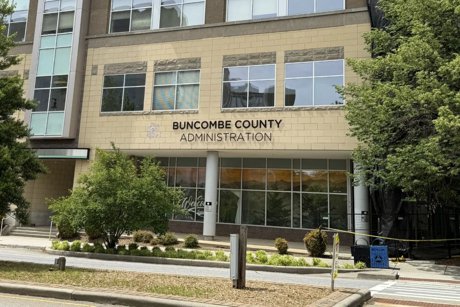
North Carolina homeowners in several counties, including Buncombe County, recently received significant news regarding their property taxes. Governor Josh Stein has signed Senate Bill 889 into law, temporarily delaying the implementation of new property tax reappraisal values for the 2026-27 fiscal year.
For many homeowners, especially those concerned about rising property values and potential tax increases, this legislation could provide short-term relief. However, the decision also raises questions about future tax bills and local government budgets.
What Does Senate Bill 889 Do?
The new law applies to North Carolina counties with populations of 15,000 or more that completed a countywide property reappraisal effective January 1, 2026.
Instead of using the newly established 2026 property values for tax calculations during the 2026-27 fiscal year, affected counties must continue using their previous property values. The new assessments won't take effect until January 1, 2027.
Once implemented, the 2026 reappraisal values will remain in effect until each county conducts its next scheduled reappraisal.
Which Counties Are Affected?
Nine North Carolina counties are impacted by the moratorium:
- Anson County
- Bladen County
- Buncombe County
- Davidson County
- Guilford County
- Harnett County
- Onslow County
- Pender County
- Scotland County
For Buncombe County homeowners, this means any value changes resulting from the 2026 reappraisal will be delayed by one year.
Why Was the Moratorium Passed?
Supporters of SB 889 argued that rapidly increasing property values have placed additional financial pressure on homeowners, particularly those on fixed incomes and middle-income families.
Lawmakers stated the goal is to prevent residents from being "taxed out" of their homes due to significant increases in assessed property values. In some counties, homeowners saw average assessed values rise dramatically during the latest reappraisal cycle.
The legislation is intended to provide additional time for homeowners and local governments to prepare for the impact of higher assessments.
Potential Impact on Local Governments
While the law may provide temporary tax relief for property owners, local governments have expressed concerns about its financial impact.
In Buncombe County, officials estimate the delay could result in approximately $2.1 million in lost utility tax revenue. Across the state, fiscal analysts estimate roughly $10 million in revenue impacts related to the reappraisal delay.
These revenue reductions could potentially affect:
- School funding
- County services
- Employee compensation adjustments
- Infrastructure projects
- Public safety budgets
Some local governments may need to evaluate future tax rate adjustments or budget modifications to address these shortfalls.
What Does This Mean for Homeowners?
If you own property in Buncombe County, your tax bill for the 2026-27 fiscal year will continue to be based on the county's previous assessed values rather than the new 2026 reappraisal values.
However, homeowners should understand that the updated values have not been eliminated; they've simply been postponed until January 1, 2027.
Property owners should use this additional time to:
- Review their property's assessed value
- Understand how future tax bills may be affected
- Budget for potential increases when the new values take effect
- Consult local tax professionals with questions about their specific situation
What Comes Next?
The property tax discussion in Raleigh isn't over. Lawmakers are also considering additional legislation, including Senate Bill 474, which would create exemptions for certain smaller counties and counties with lower property tax rates.
As implementation details emerge, homeowners should stay informed about how these changes may affect their property taxes and local government services.
Final Thoughts
For Buncombe County residents and homeowners across the affected counties, Senate Bill 889 offers a temporary pause on the financial impact of rising property assessments. While many homeowners may welcome the additional time, local governments will be navigating the challenges that come with delayed revenue increases.
If you're considering buying, selling, or investing in real estate in Western North Carolina, understanding local tax policies is an important part of making informed decisions. As always, working with a knowledgeable local real estate professional can help you navigate these changes and understand how they may affect your property goals.