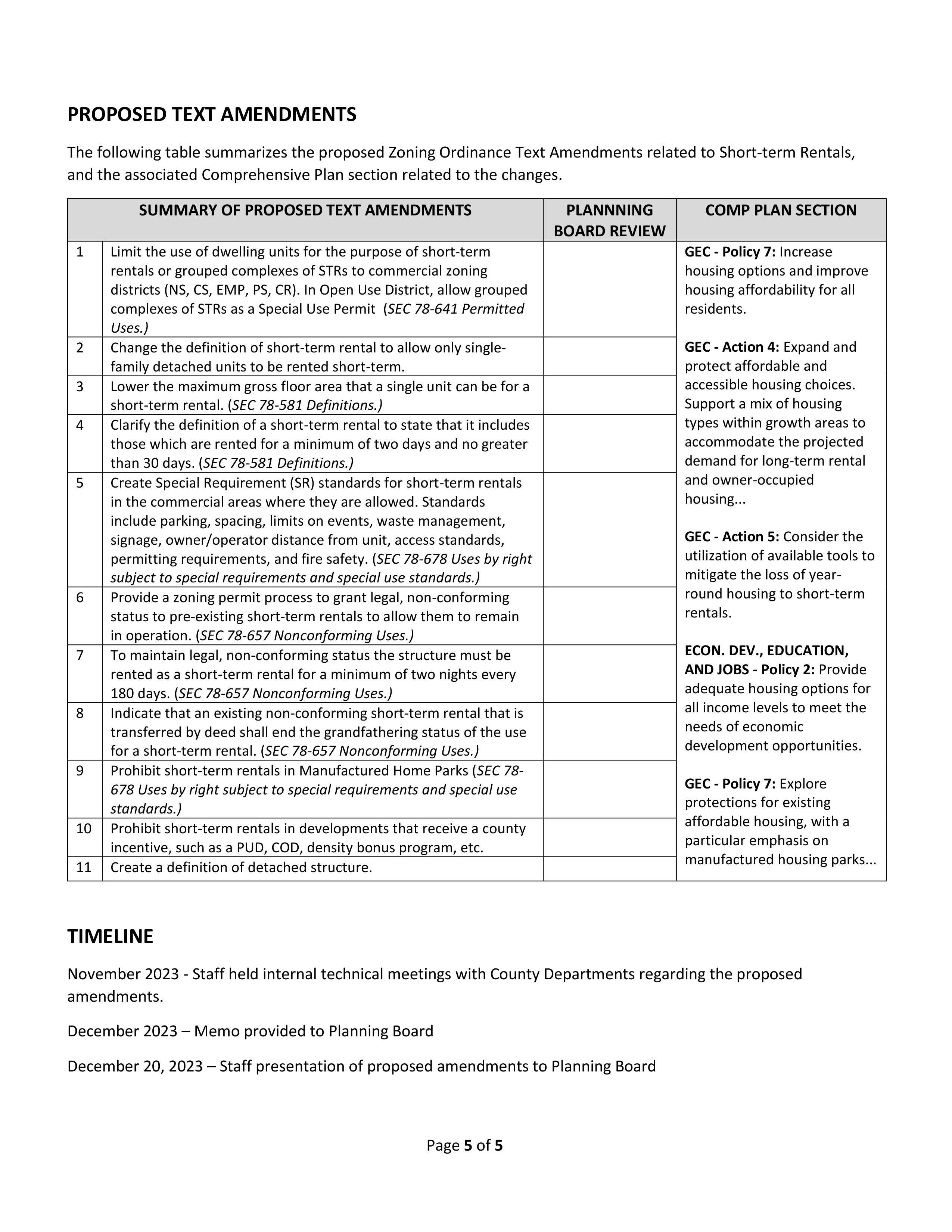
Short-term rentals (STRs) have become a popular option for travelers seeking unique accommodations and for homeowners looking to supplement their income. However, recent discussions in Buncombe County, NC, have brought to light the possibility of implementing new restrictions on these rentals. As the landscape of vacation rentals potentially shifts, it's essential for both hosts and guests to stay informed about the proposed changes and their potential impact.
The proposed restrictions on STRs in Buncombe County are aimed at addressing concerns related to noise, parking, and the overall character of residential neighborhoods. One of the primary considerations is the distinction between primary residences and investment properties. While many homeowners rent out their primary residence occasionally to earn extra income, there's a growing concern about the proliferation of investment properties solely dedicated to short-term rentals.
~Impact on Hosts
For hosts who rely on income from short-term rentals, the proposed restrictions could have significant implications. Depending on the specific regulations enacted, hosts may face limitations on the number of days they can rent out their property, restrictions on the types of properties eligible for short-term rentals, or additional permitting requirements. These changes could affect hosts' ability to generate income and may require adjustments to their business models.
~Impact on Guests
Travelers accustomed to the convenience and flexibility of short-term rentals may also feel the impact of these proposed restrictions. With fewer available properties for short-term rental, guests may face higher prices, limited availability during peak seasons, or fewer options in desirable locations. Additionally, if new regulations result in stricter enforcement measures, guests may encounter more stringent rules and regulations during their stay.
~Community Considerations
While the debate over short-term rental regulations often focuses on the interests of hosts and guests, it's essential to consider the broader community impact. Proponents of stricter regulations argue that unchecked growth in the short-term rental market can disrupt the fabric of residential neighborhoods, driving up housing prices, reducing long-term rental availability, and altering the character of communities. By implementing reasonable restrictions, policymakers aim to strike a balance that preserves the rights of property owners while safeguarding the interests of the community as a whole.
~Staying Informed and Engaged
As discussions about short-term rental regulations continue in Buncombe County, it's crucial for stakeholders to stay informed and engaged in the process. This may involve attending public meetings, providing feedback to local officials, and staying updated on proposed changes through official channels. By actively participating in the dialogue surrounding short-term rentals, individuals can help shape policies that address community concerns while supporting responsible tourism and economic growth.
The potential for new restrictions on short-term rentals in Buncombe County, NC, underscores the complex interplay between property rights, economic interests, and community well-being. While the outcome of these discussions remains uncertain, it's clear that stakeholders on all sides will need to collaborate to find solutions that balance competing priorities. By fostering open dialogue and considering diverse perspectives, Buncombe County can develop regulations that support a thriving tourism industry while preserving the quality of life for residents and visitors alike.