Welcome to our new website!

We welcome your feedback on our blogs!  Drop us a line and let us know what you think.


Jan. 31, 2025

Tax Consequences for Giving or Receiving Down Payment Gift

When receiving a monetary gift for a down payment on a home, it's essential to understand the tax implications and documentation requirements involved.

Tax Implications for the Donor:

  • Annual Gift Tax Exclusion: As of 2024, an individual can gift up to $18,000 per recipient without incurring gift tax liability. For married couples, this exclusion doubles to $36,000 per recipient.


  • Lifetime Gift and Estate Tax Exemption: Gifts exceeding the annual exclusion count against the donor's lifetime exemption, which is $13.61 million per individual in 2024. While gifts above the annual limit must be reported to the IRS using Form 709, the donor typically doesn't owe taxes unless their total lifetime gifts surpass this exemption.


Documentation Requirements for the Recipient:

  • Gift Letter: Lenders require a gift letter from the donor, specifying the gift amount, donor's contact information, relationship to the recipient, and a statement confirming that repayment isn't expected.


  • Proof of Funds Transfer: Recipients must provide evidence of the fund transfer, such as the donor's bank statement showing the withdrawal and the recipient's bank statement showing the deposit.


Additional Considerations:

  • Eligible Donors: Acceptable sources for down payment gifts vary by loan type but generally include family members and, in some cases, close friends or employers.


  • Loan Type Restrictions: Different mortgage types have specific rules regarding down payment gifts. For instance, conventional loans may have stricter donor eligibility criteria compared to FHA loans.


By adhering to these guidelines, both donors and recipients can ensure compliance with tax laws and lender requirements, facilitating a smoother home purchasing process.


Read the article HERE

Jan. 24, 2025

2024 The Worst Year for both Buyers & Sellers

Why 2024 Was a Challenging Year for Real Estate

The real estate market in 2024 was marked by struggles for both buyers and sellers, making it one of the toughest years in recent memory. Here's why:

Rising Interest Rates

The Federal Reserve's ongoing battle against inflation led to historically high interest rates. Mortgage rates hovered around levels not seen in decades, pricing many buyers out of the market. For those who could afford to purchase, monthly payments skyrocketed, diminishing affordability even further.

Low Inventory

Sellers were hesitant to list their homes, as many were locked into low-interest mortgages from previous years. This reluctance created a severe inventory shortage, leading to fierce competition for the few homes available and driving prices higher in some areas despite declining demand overall.

Stagnant Prices in Some Areas

While some regions saw marginal price increases due to limited supply, others experienced a plateau or slight decline in home values. Sellers who hoped to cash in on the pandemic-era boom found themselves unable to secure the profits they had envisioned.

Economic Uncertainty

Widespread economic uncertainty added another layer of complexity. Layoffs in certain industries and rising consumer costs forced potential buyers to delay homeownership plans, while sellers faced challenges securing new properties.

Struggles for First-Time Buyers

First-time homebuyers were particularly hard-hit. With limited inventory, high prices, and elevated borrowing costs, many were pushed out of the market altogether. This demographic, which often fuels the housing market, saw homeownership dreams slip further away.

In summary, 2024 was a year when the real estate market worked against both buyers and sellers. High borrowing costs, low inventory, and economic unease created a perfect storm of challenges. For many, it was a year to wait and hope for a more favorable future.


You can read more HERE

Posted in Good to know info
Jan. 15, 2025

December 2024 Market Stats

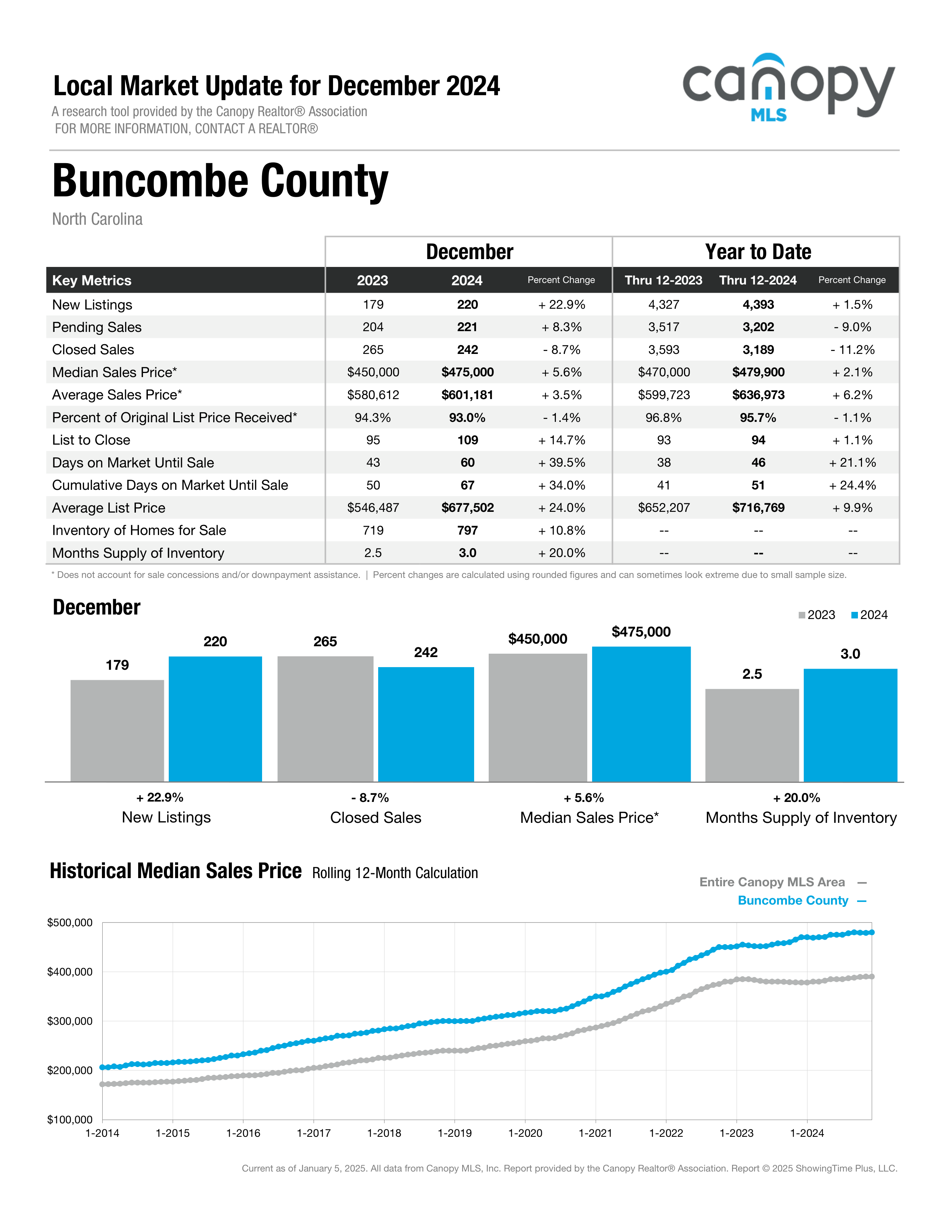
🏡 Buncombe County Real Estate Market Update - December 2024 🏡

As we step into 2025, let's reflect on the latest real estate trends in Buncombe County! 📊 Here's how the market shaped up in December 2024 compared to the same time in 2023:

Key Highlights:

✅ New Listings: Up by an impressive 22.9%, with 220 homes hitting the market (compared to 179 in December 2023).
✅ Median Sales Price: Increased by 5.6%, reaching $475,000, indicating steady growth in home values.
✅ Months Supply of Inventory: Increased to 3.0 months (+20.0%), providing more options for buyers.
✅ Pending Sales: Up 8.3%, with 221 homes under contract.

Some Challenges:

🔻 Closed Sales: Decreased by 8.7%, with 242 homes sold, suggesting slightly slower buyer activity.
🔻 Days on Market: Homes are taking 39.5% longer to sell, with an average of 60 days compared to 43 last year.

Year-to-Date Trends:

For 2024, the median sales price rose to $479,900 (+2.1% YTD), while the average sales price climbed to $716,759 (+9.0% YTD). However, total closed sales for the year saw an 11.2% decline, likely due to market adjustments.

Posted in Market Updates
Jan. 3, 2025

Adding New Hobbies to your New Years Resolutions?!

As we step into the new year, it’s the perfect time to set fresh intentions. Alongside goals like eating healthier or organizing your home, why not dive into a new hobby that connects you to the vibrant local culture of Asheville and Weaverville?

Our area is rich in opportunities to explore creative, outdoor, and social pursuits. By picking up a hobby, you’re not only growing personally but also supporting the wonderful community we call home.

Local Hobby Ideas to Kickstart Your Year

  1. Get Crafty

    • Asheville and Weaverville are home to countless artisans. Try your hand at pottery with classes at the Asheville Art Museum or join a weaving workshop at Local Cloth, a fiber arts community.
    • For painting or drawing enthusiasts, check out the Artisans on Main gallery in Weaverville for inspiration or workshops.
  2. Embrace the Outdoors

    • Nestled in the Blue Ridge Mountains, our region is a haven for nature lovers. Consider joining a hiking group, like the Carolina Mountain Club, to explore scenic trails like Craggy Gardens or the Rattlesnake Lodge loop.
    • If you’re looking for something new, why not try fly fishing on the French Broad River or birdwatching at the Beaver Lake Bird Sanctuary?
  3. Culinary Adventures

    • With a growing farm-to-table culture, now’s the time to master your cooking or baking skills. Take a class at Asheville Mountain Kitchen or visit the Weaverville Tailgate Market to source fresh, local ingredients for your experiments.
  4. Music and Dance

    • Always wanted to play an instrument? The Asheville Music School offers lessons for all skill levels.
    • If dancing is more your speed, check out a contra dance event at the Grey Eagle Music Hall or take lessons in swing, salsa, or even clogging—a nod to Appalachian traditions.
  5. Volunteering and Community Engagement

    • Strengthen your community ties while making a difference. Join a group like the Active Weaverville Committee or volunteer with local organizations like Food Connection Asheville or MANNA FoodBank.

Why Local Hobbies Matter

Exploring a hobby rooted in your community allows you to connect with others, support small businesses, and discover hidden gems you may have overlooked. Plus, it’s a chance to slow down and appreciate the unique culture and natural beauty of Asheville and Weaverville.

This year, make it your resolution to explore the hobbies that enrich our local area. Whether you're crafting, cooking, hiking, or dancing, 2025 can be the year you embrace something new and find a deeper connection to yourself and your community.

What local hobby will you try this year? AVLToday put out a great article with tons more local activities and hobbies to get into this New Year!

Posted in Life
Dec. 27, 2024

Where is it Cheaper to rent vs Owning a Home?

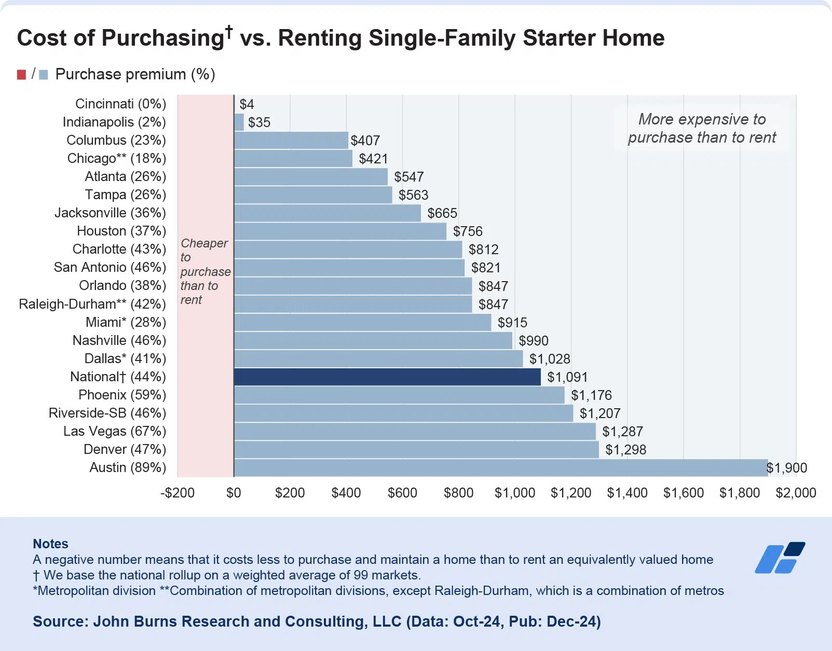
If the dream of owning a single-family home feels out of reach, you’re not alone—and there’s a silver lining: renters are saving an average of over $1,000 a month compared to homeowners.

In the nation’s top 20 single-family rental markets, it remains more affordable to rent than to own when you factor in monthly mortgage payments and maintenance costs for a comparable starter home.

A recent report from John Burns Research & Consulting reveals that purchasing a starter single-family home now costs an average of $1,091 more per month than renting a similar property. Including other property types, the savings for renters narrow slightly to $1,067, according to Realtor.com®’s economic research team.

“No surprise here, it’s still more expensive monthly to buy a single-family home than it is to rent one,” says Danielle Nguyen, vice president of research at John Burns.

Although the gap between renting and buying has shrunk slightly compared to last year, it remains far above the historical national average of $233. The last time owning was cheaper than renting was back in 2016. It almost happened during the early days of the COVID-19 pandemic but fell just short.

For now, those renting in these markets can take comfort in the financial cushion—and maybe invest those savings elsewhere.


Click HERE for full article

Posted in Good to know info
Dec. 17, 2024

The Great Christmas Tree Debate: Real vs. Artificial

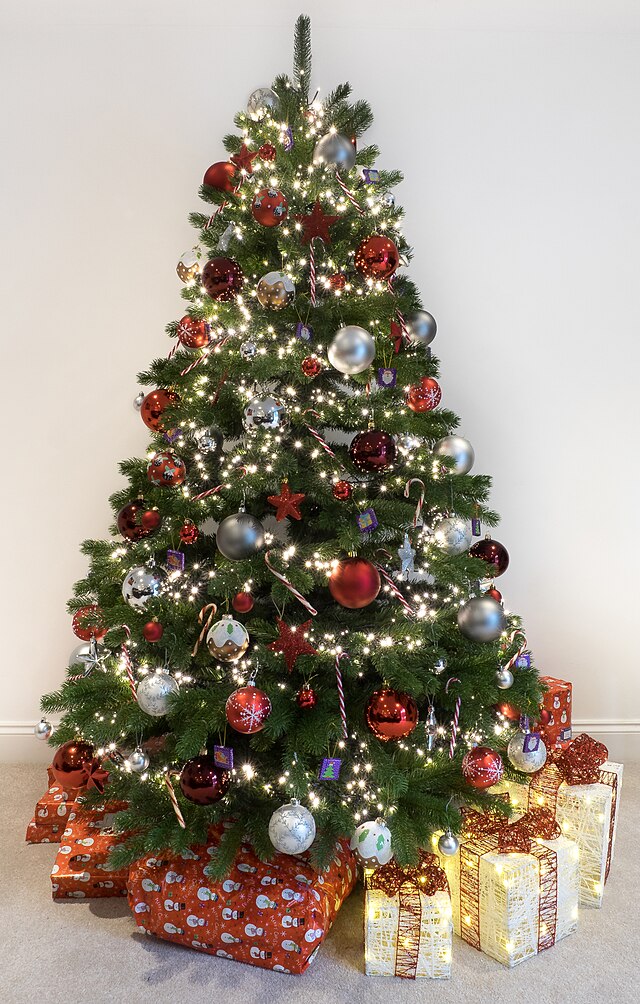
Ah, the holidays are here! Twinkling lights, cozy sweaters, and the age-old debate that’s almost as heated as deciding who makes the best holiday cookies: Real or artificial Christmas trees? Whether you’re Team Pine Scent or Team No Needle Vacuuming, this festive feud has been dividing households for decades. So, grab your cocoa, and let’s dive in.

The Case for Real Trees

There’s nothing quite like the charm of a real Christmas tree. They smell divine, they’re eco-friendly if sustainably sourced, and they bring that rustic, outdoorsy vibe right into your living room. Plus, there’s the adventure of picking one out—wandering through a tree farm, bundled up, hot chocolate in hand, and pretending you’re starring in a Hallmark movie. What’s not to love?

But let’s be real (pun intended). Real trees have their downsides. First, they’re a commitment. You’ve got to water them, dispose of them properly, and deal with the inevitable needle showers. (Seriously, how do they get everywhere?) And if you’ve got allergies, well, you’re in for a sniffly holiday season.

The Case for Artificial Trees

On the flip side, artificial trees are the ultimate convenience. No watering, no shedding, no sap-covered hands. They come in all shapes, sizes, and colors—yes, even pink for those of you living your Barbiecore dreams. Many are pre-lit, sparing you the annual frustration of untangling last year’s light strand disaster.

Artificial trees are also reusable, which can make them cost-effective over time. However, let’s not ignore their not-so-jolly footprint. Most are made from PVC and shipped from afar, which isn’t exactly a win for the environment. And while they’re durable, they’re not immortal. When they eventually kick the bucket, they’ll be sitting in a landfill for, well, forever.

The Wild Cards

If you can’t decide, why not mix it up? Some folks opt for potted trees they can plant after the holidays. Others go rogue with minimalist wooden or metal trees that scream “modern chic.” And let’s not forget the growing trend of DIY trees made from books, lights, or even ladders. (Bonus: They’re Instagram gold.)

So, Which is Better?

Honestly, it all comes down to personal preference. If you love the tradition and scent of a real tree, go for it. If you’re all about ease and reusability, artificial might be your jam. Or maybe you’ll start your own quirky tradition with something totally unconventional.

In the end, the best tree is the one that makes your holiday feel magical. Because whether it’s real, fake, or fashioned out of old wine corks, the true star of the season is the love and laughter shared around it. (Okay, and maybe the cookies.)

Happy decorating!

Posted in Holiday & Seasonal
Dec. 6, 2024

Do You have a Wood Burning Fireplace? Check Out These Uses for your Ashes

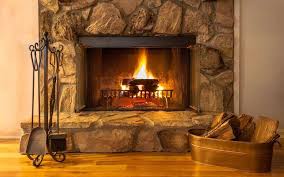
There’s something undeniably cozy about a wood-burning fireplace. The crackle of the flames, the rustic aroma, and the warm glow combine to create an inviting atmosphere that no modern heating system can replicate. For many homeowners, especially in places like Weaverville and Asheville, where cooler mountain evenings call for a touch of natural warmth, wood-burning fireplaces are both a luxury and a practical feature.

But what happens after the fire dies down and you’re left with a pile of ashes? Believe it or not, those ashes are far from waste. They have a variety of practical uses that can benefit your home, garden, and even your wallet.

Practical Uses for Wood Ashes

  1. Garden Fertilizer
    Wood ash contains potassium, calcium, and other trace minerals that enrich the soil. It’s especially beneficial for vegetable gardens and fruit trees, which thrive with the added nutrients. Sprinkle lightly, as too much ash can raise the soil’s pH, making it too alkaline for some plants.

  2. Composting Booster
    Adding wood ash to your compost pile helps balance the acidity of organic materials, creating a nutrient-rich blend perfect for gardening. Be sure to mix it in thoroughly and in moderation.

  3. Pest Control
    Spread a ring of ash around your plants to deter slugs and snails. The dry, alkaline texture irritates these pests, keeping your garden safe from their munching.

  4. De-Icer for Winter Walkways
    Skip the salt and use wood ash on icy driveways or walkways. It provides traction and melts ice without harming the environment or your landscaping.

  5. Cleaning Agent
    Believe it or not, wood ash can be turned into a mild abrasive for cleaning. Mix it with a bit of water to create a paste for polishing metal or scrubbing away stubborn stains in your oven or on glass fireplace doors.

  6. Odor Neutralizer
    Wood ash absorbs moisture and neutralizes odors. Place a small dish of it in a musty basement or garage to freshen the air.

  7. Natural Insect Repellent
    Sprinkle ashes in areas prone to ants or other insects. It can act as a natural barrier, keeping unwanted critters out of your home.

  8. Emergency Stain Remover
    Got a grease stain on the driveway? Sprinkle wood ash over it, let it sit for a while, and then scrub with a stiff brush.

  9. Chickens and Livestock Care
    Farmers often use wood ash in dust baths for chickens. It helps keep their feathers clean and wards off parasites like mites.

  10. Crafts and Soap Making
    Historically, wood ash was a key ingredient in homemade soap. If you’re into DIY crafts, this could be a fun, old-world project!

Posted in Good to know info
Nov. 26, 2024

Thanksgiving is Here

Getting Ready for Thanksgiving Day: A Prepper's Guide to a Stress-Free Holiday

Thanksgiving is more than just a meal—it’s a celebration of gratitude, family, and togetherness. To make the day smooth and enjoyable, preparation is key. Whether you're hosting a big crowd or having a cozy dinner, here’s a step-by-step guide to ensure you’re ready for a Thanksgiving to remember.

1. Plan Your Menu Early

Start by deciding what you’ll serve. Stick to a mix of traditional favorites and maybe a new recipe or two. Keep dietary restrictions in mind—vegetarian, gluten-free, or nut allergies, for example.

Pro Tip: Create a digital or handwritten list of all dishes. Categorize them by appetizers, sides, main courses, desserts, and drinks.

2. Make Your Grocery List and Shop Smart

Once the menu is set, go through each recipe and jot down the ingredients you’ll need. Group items by store sections for an efficient shopping experience.

Plan Ahead:

  • Buy pantry staples (flour, sugar, spices) a week or two in advance.
  • Purchase fresh produce and perishable items a few days before Thanksgiving.
  • Don’t forget to grab extra ice and beverages!

3. Prep Your Kitchen and Tools

A well-prepped kitchen makes cooking a breeze. A few days ahead, check that you have:

  • Enough serving dishes and utensils.
  • Sharp knives for chopping and carving.
  • A roasting pan big enough for your turkey.
  • A meat thermometer for perfectly cooked poultry.

Pro Tip: Lay out your tools and serving ware the day before, so you’re not hunting for that gravy boat last minute.

4. Turkey Talk: Thaw, Brine, Roast

If you’re cooking a turkey, follow these basic guidelines:

  • Thawing: Allow 24 hours for every 4-5 pounds of turkey in the fridge. Start thawing early to avoid last-minute panic.
  • Brining: If you plan to brine, give yourself at least 12 hours for the turkey to soak in those flavors.
  • Roasting: Set aside enough time for cooking and resting the turkey. Use a thermometer to ensure it reaches 165°F in the thickest part.

5. Prep Dishes in Advance

To ease the day-of workload, prepare as much as you can ahead of time:

  • Chop vegetables and store them in airtight containers.
  • Assemble casseroles and refrigerate them overnight.
  • Bake pies a day or two in advance.

Bonus Tip: Some appetizers like cheese boards or dips can be prepped hours before guests arrive.

6. Delegate and Share Tasks

You don’t have to do it all! Assign tasks to family members or guests. Kids can set the table, and relatives can bring a dish to share.

7. Set the Table the Night Before

Arrange your table settings, including plates, glasses, and napkins, the night before. Add a centerpiece for a festive touch—think pumpkins, candles, or autumn foliage.

8. Prepare for Cleanup

Make cleanup easier by prepping in advance:

  • Line your roasting pans with foil for easy washing.
  • Set up a dishwashing station with a tub for soaking utensils and plates.
  • Have extra trash bags and to-go containers on hand for leftovers.

9. Create a Cozy Atmosphere

Thanksgiving is about more than food. Create a warm, welcoming vibe with:

  • Background music or a curated playlist.
  • Seasonal scents like cinnamon, cloves, or pumpkin spice.
  • A gratitude activity for everyone to share what they’re thankful for.

10. Stay Flexible and Enjoy

Not everything will go perfectly, and that’s okay. Embrace the imperfections and focus on the joy of spending time with loved ones.

Final Tip: Pour yourself a glass of wine, cider, or sparkling water, and remember—you’ve got this!

With a little planning and preparation, Thanksgiving can be a day of laughter, love, and delicious memories. Happy Thanksgiving!

Posted in Holiday & Seasonal
Nov. 19, 2024

Asheville Boil Advisory Lifted

It has been a very long 53 days since Hurricane Helene made landfall in our beautiful NC mountains and it is with such joy that we see and hear that the boil advisory has been lifted! We want to thank everyone who made this possible, lineman, cleanup crews, utility workers, the military and everyone in between! Water distribution sites as well as laundry and shower sites will remain in place for the "foreseeable future" per Buncombe County. 


Read more on this HERE

Posted in Good to know info
Nov. 8, 2024

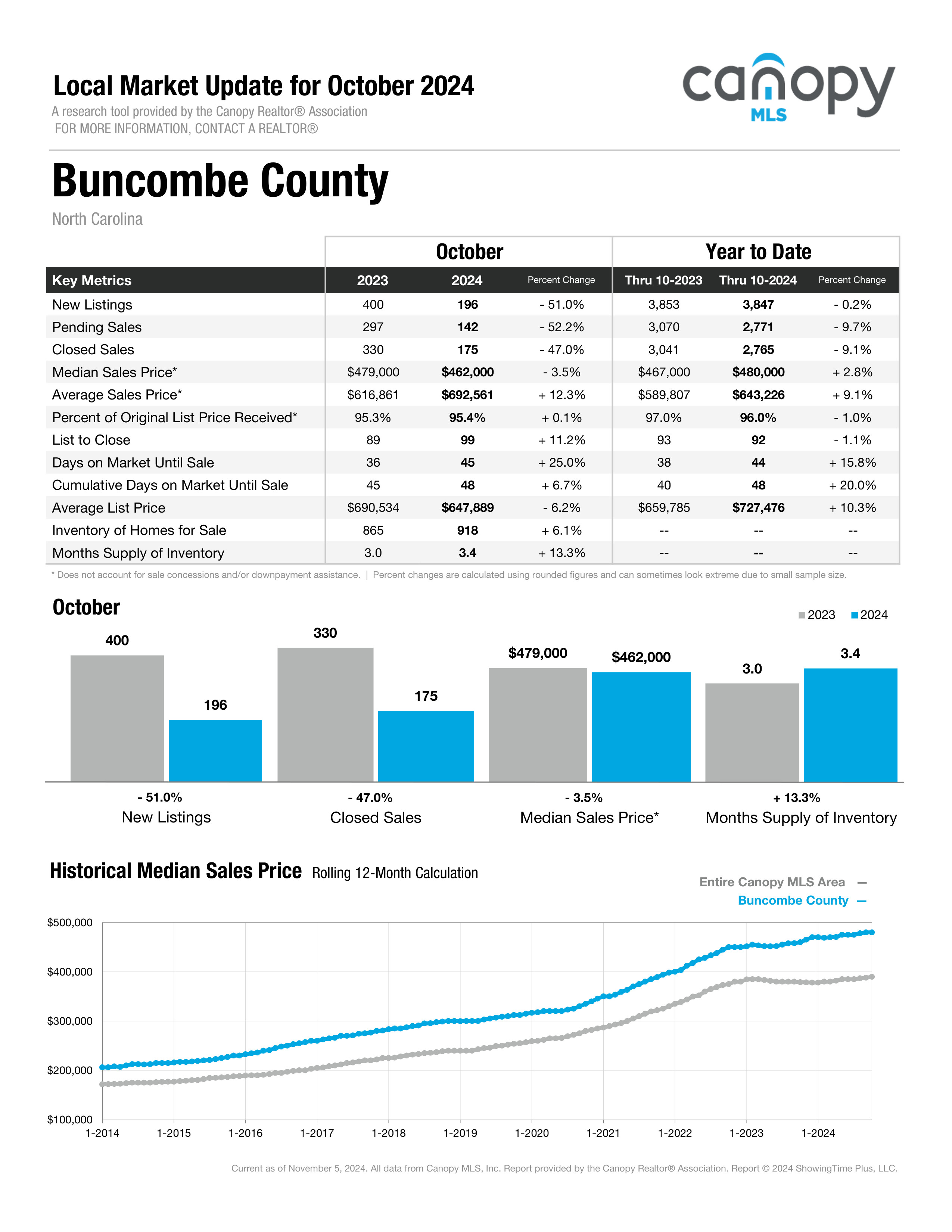
Buncombe County Market Stats - October

What a wild & crazy October! We know that October has not been an easy one for many of us and hope that you are all safe and navigating this post Helene area to best you can. 

It is wild to see the Market Stats for October and looking at them side by side to September. Obviously the market took a hit and it will be interesting to see it compared to Novembers next. But until we can do so, lets take a look at October's numbers!

New listings, pending sales, and closed sales are almost half of what they were in September, which to be quite honest is pretty impressive considering most of the county was shut down for at least 2 weeks. Median sales price took a big bit dropping almost $100k from last month. List to close and days on market really didn't have much of a change. It will be nice to see if the median price sticks around in that $450,000 price range. Only time will tell. But maybe this will help level out our market some here in WNC.  

Posted in Market Updates