


Asheville Eases Rules for Accessory Dwelling Units: A Step Toward Inclusive Housing?
Accessory dwelling units — small, secondary homes on the same lot as a primary house — have become a topic of interest in communities across the country looking for creative ways to ease housing shortages. On January 27, 2026, the Asheville City Council unanimously voted to relax some rules around ADUs, making it easier for homeowners to convert existing structures into livable space.
What’s Changing?
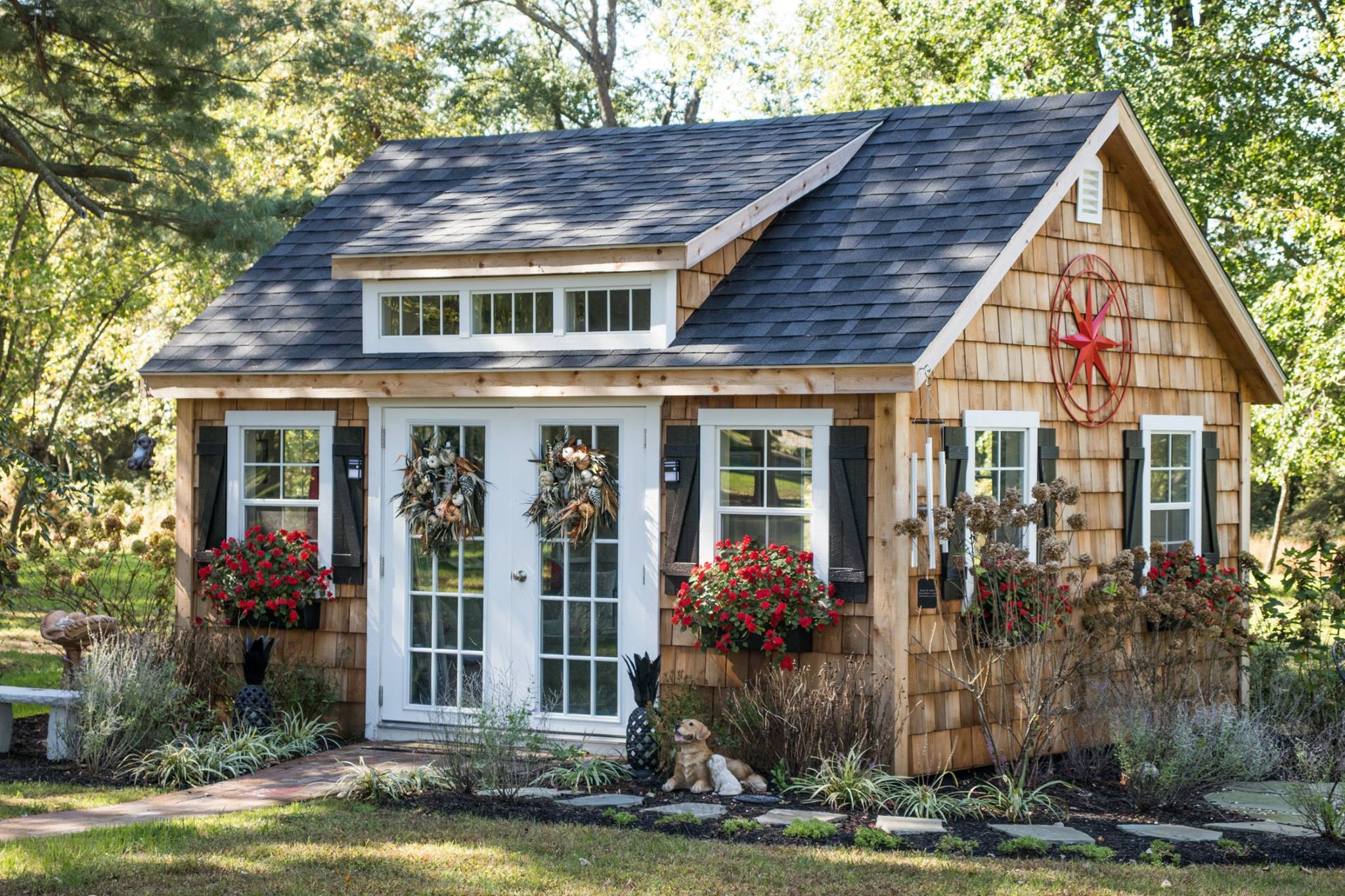
Under the new policy, homeowners in Asheville can now convert pre-existing accessory structures — like detached garages, sheds, or pool houses built before current zoning regulations — into independent dwelling units without first seeking approval from the city’s Board of Adjustment. Previously, those owners had to go through a variance process if a building didn’t meet strict zoning distance requirements.
The goal of this change is straightforward: reduce time, cost, and uncertainty so that more housing options can be created more efficiently. While Asheville’s ADU regulations still enforce limits on unit size and parking, the automatic approval for conversions removes a procedural hurdle that has slowed or discouraged some homeowners.
Rules Still Matter
Even with this simplification, ADUs must comply with existing city standards around:
-
Size: Up to 800 square feet on lots less than one acre; up to 1,200 square feet on lots between one and three acres.
-
Parking and height requirements: Still in effect and monitored by the city’s planning department.
-
Use restrictions: Units created under this new rule cannot operate as short-term vacation rentals or homestays — they must serve as long-term dwelling spaces.
These conditions reflect Asheville’s broader zoning framework, which allows one ADU per single-family lot while seeking to manage neighborhood scale and infrastructure impacts.
What This Means for Asheville
To many housing advocates, simplifying the ADU process is a positive step. ADUs — sometimes called “granny flats,” “in-law suites,” or “carriage houses” — can:
-
Expand housing options in established neighborhoods without large developments.
-
Offer homeowners supplemental income through long-term rentals.
-
Provide more affordable, flexible living spaces for seniors, students, and small households.
Yet the changes are not without community concerns. Discussions leading up to the vote noted anxieties among residents — especially in historically underserved areas — about predatory investment and displacement. People in legacy neighborhoods like Emma, Shiloh, and Burton Street raised the alarm that outside investors might use easier ADU construction as a way to profit and accelerate gentrification pressures.
Local groups like the Legacy Neighborhoods Coalition did not oppose the rule change outright but urged the city to pair zoning flexibility with anti-displacement strategies that protect community character. Ideas like “legacy neighborhood preservation districts” were proposed as one possible approach to managing that balance.
A Broader Housing Puzzle
This update is just one piece of Asheville’s ongoing housing policy conversation. The city has been exploring a range of tools — from density reforms to affordable housing funding — to respond to rising costs, limited supply, and community equity concerns. ADUs are one of the more accessible bottom-up strategies, letting homeowners take part in housing production without large scale construction or new subdivisions.
Final Thoughts
For homeowners and neighbors alike, the ADU rule change simplifies a specific part of Asheville’s zoning code and potentially opens the door for more creative housing in our community. The real test will be how many of these converted units actually get built — and whether accompanying policies can ensure that increased housing options benefit existing residents rather than displacing them.
As Asheville continues to tackle housing challenges, this decision reflects a broader shift toward flexibility — but also highlights the need for intentional strategies that protect neighborhood stability and inclusiveness.
See full article HERE from BPR!